
How to Sell a Home With Tenants in Ontario: A Landlord's Complete Guide
How to Sell a Home With Tenants in Ontario: A Landlord's Complete Guide
Selling a tenanted property in Ontario is entirely possible, but the rules are more involved than a standard sale. Tenants have protected rights under the Residential Tenancies Act that affect how and when you can show the home, what notice is required and whether the buyer can take possession before the tenancy ends. This guide explains how the process works for Richmond Hill and Markham landlords, what your options are and what to get right before the sign goes up.
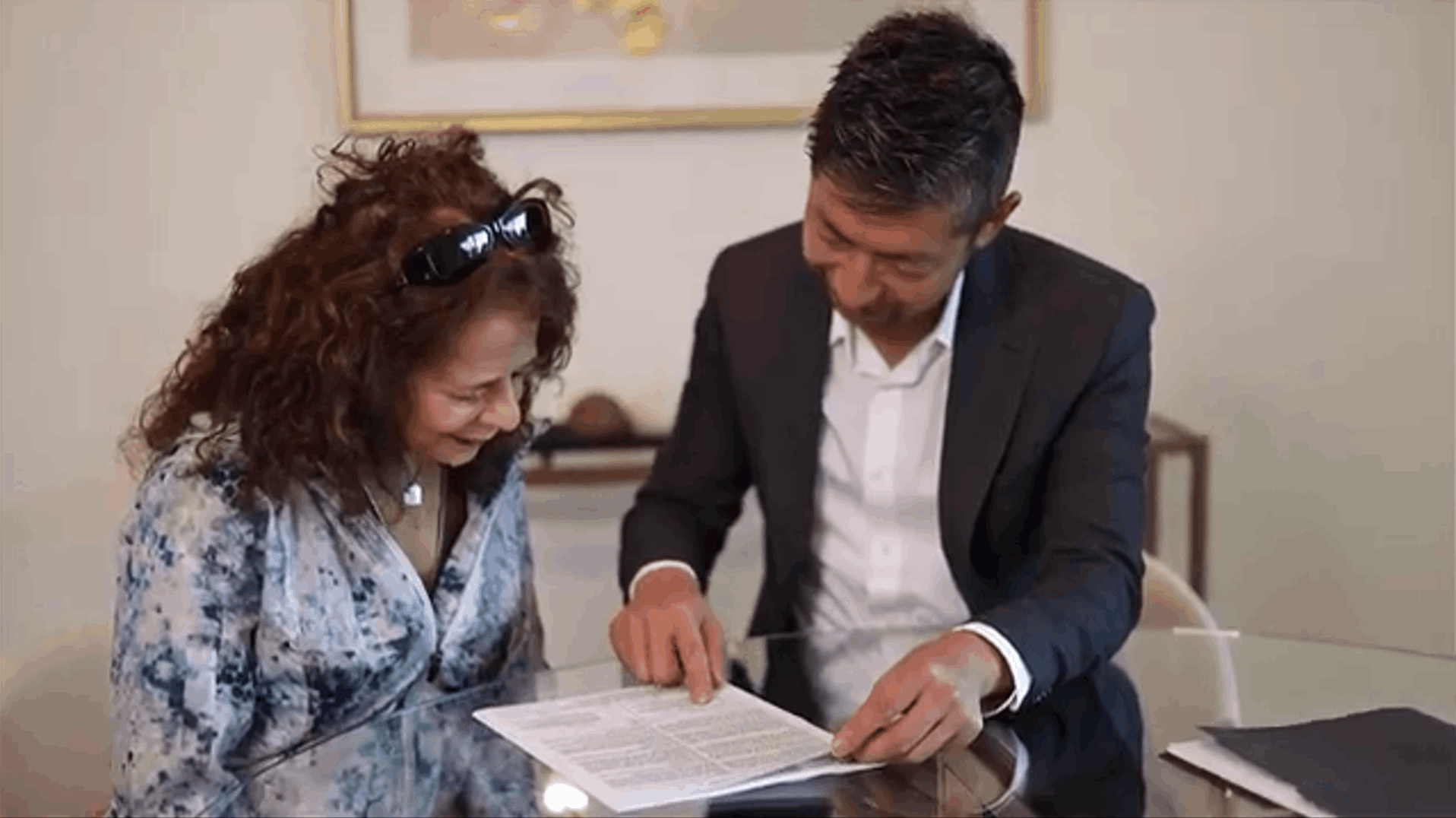
Written by a Richmond Hill and Markham Real Estate Expert
At Kirby Chan & Co. Real Estate Team, we regularly list tenanted properties for Richmond Hill and Markham landlords who are selling an investment property or moving back into a home they have rented out. We have seen a listing go sideways because a landlord gave entry notice by text rather than in writing and the tenant refused showings entirely. If you are selling a tenanted home in Ontario, the procedural details matter more than in almost any other sale.
Quick takeaway: In Ontario, a sitting tenant has a right to continue their tenancy when a property sells unless proper steps are taken to terminate it. For showings, you must give 24 hours written notice and show only between 8 a.m. and 8 p.m. If the buyer or their immediate family wants to move in, you can serve an N12 notice with at least 60 days notice and one month compensation. If the tenant is on a fixed-term lease, the sale closes subject to that tenancy unless the buyer takes assignment. None of this replaces legal advice: get a real estate lawyer involved before you list.
Table of Contents
- How the RTA Affects the Sale
- Your Three Main Options
- Showing a Tenanted Property
- Using the N12 to Recover Possession
- Selling With a Month-to-Month Tenant
- Selling With a Fixed-Term Lease
- What Buyers Need to Know
- Listing and Marketing a Tenanted Home
- Frequently Asked Questions
Selling a Property With Tenants?
Call Our Dedicated Seller Hotline
416-305-8008Kirby Chan & Co. Real Estate Team
How the RTA Affects the Sale
The most important thing Ontario landlords need to understand is that selling the property does not terminate the tenancy. Under the Residential Tenancies Act, the buyer steps into the shoes of the landlord. The existing lease, its terms and the tenant's right to remain continue unchanged. A new owner cannot simply require a tenant to leave because ownership has transferred.
This rule applies whether the tenant is on a fixed-term lease or has moved to a month-to-month tenancy. The RTA governs residential tenancies in Ontario regardless of what any lease or sale agreement says, and any clause that purports to override these rights is unenforceable. Consult a real estate lawyer about your specific situation before making any representations to a tenant or a buyer.
Tenanted sales are more complex, but they close successfully every day. The landlords who run into difficulty are usually the ones who skip steps, give informal notice or make promises they cannot legally keep. The ones who get it right start early, follow the process precisely and keep the tenant informed and respected throughout. A cooperative tenant who allows proper showings is a significant advantage. A tenant whose rights have been ignored is a significant problem.
Your Three Main Options
Showing a Tenanted Property
Under the RTA, a landlord who wants to show the property to a prospective buyer must give the tenant at least 24 hours written notice and can only enter between 8 a.m. and 8 p.m. The notice must be in writing. A text message may or may not satisfy this requirement and is not a safe practice. Use written notice delivered in a way you can document.
The tenant cannot unreasonably refuse entry when proper notice has been given. However, you cannot simply show the property whenever it suits you or a buyer's agent without following the notice process for every showing. Build the 24-hour notice requirement into your showing logistics from the beginning, not as an afterthought when a buyer wants to see the property tonight.
Many landlords have a productive conversation with the tenant before listing to set expectations about showings: how much notice will be given, what windows of time work for the tenant and how the process will be managed. A tenant who understands what is happening and feels respected is far more likely to cooperate than one who finds out a showing is happening through a stranger knocking on the door.
Some landlords agree to a small rent reduction or other consideration during the listing period in exchange for cooperative showing access. This is a practical arrangement and, when documented properly, can make a meaningful difference to the showing experience for buyers. Get any such arrangement in writing.
Using the N12 to Recover Possession
The N12 is available for purchaser's own use, but has specific requirements.
Need Help Planning Your Tenanted Sale?
Call Our Dedicated Seller Hotline
416-305-8008No pressure, just honest advice
Selling With a Month-to-Month Tenant
A tenant on a month-to-month tenancy has no fixed end date, but they still have full RTA protections. You cannot end the tenancy simply because you want to sell. The same options apply: sell with the tenant in place, reach a mutual agreement using the N11, or pursue an N12 if the buyer intends to occupy.
A month-to-month tenancy does give slightly more flexibility in timing because there is no fixed lease term to work around. The N12 compensation and notice period requirements apply equally regardless of whether the tenancy is fixed or month-to-month.
Selling With a Fixed-Term Lease
If the tenant is partway through a fixed-term lease when you sell, that lease continues with the new owner. The buyer cannot require the tenant to vacate simply because the property has changed hands. The term, the rent and the conditions of the existing lease bind the new landlord until the term ends.
This is a material fact that must be disclosed to buyers and reflected in the agreement of purchase and sale. A buyer who is purchasing an investment property and plans to hold the tenancy may not object. A buyer who wants vacant possession needs to understand the timeline before they firm up.
When the property closes, the buyer becomes the new landlord and the lease terms continue. This is sometimes called the assignment of the tenancy. The buyer must honour the existing rent, the existing terms and any notice provisions in the RTA. All of this should be reflected in the agreement of purchase and sale and reviewed by both parties' lawyers before the deal firms up.
What Buyers Need to Know
Every buyer of a tenanted property in Ontario needs to understand that they are taking on the role of landlord on closing. The existing lease, the existing rent, the tenant's rights and all RTA obligations transfer to them. If the rent is below market rate, they generally cannot increase it beyond the annual guideline limit without a legal basis to do so.
If the buyer wants to move in themselves, they need to factor in the N12 timeline, which adds at minimum 60 days after the notice is served, plus compensation. That cannot be shortened simply by agreement, and the tenant can dispute the notice at the LTB.
Buyers should always request a copy of the existing lease, any amendments to it, the tenant's last rent payment record and any correspondence with the tenant as part of their due diligence before waiving conditions. Our closing day guide covers what changes hands on the closing date.
Listing and Marketing a Tenanted Home
The existence of a tenancy is a material fact in any property transaction. It must be disclosed to prospective buyers before they make an offer. This includes the lease term, the current rent, the status of any N12 notice and whether the tenant has agreed to vacate. Failing to disclose creates liability for the seller and the listing brokerage.
In the MLS listing, the rental income and the tenancy status are typically included in the listing details. The agreement of purchase and sale should include representations and warranties about the tenancy that are accurate and can be verified at closing.
A tenanted home can still be well-presented. The tenant's cooperation with decluttering, cleaning and keeping the home tidy for showings makes a real difference to buyer impression and therefore to price. This is another reason the relationship with the tenant matters from the beginning: a cooperative tenant who takes some pride in how the home presents is a genuine advantage. Our staging guide covers what preparation actually moves the needle for buyers.
Recognition
Kirby Chan Awards and Achievements
🏆 #1 Individual Producer in Ontario for eXp Realty 2023
🏆 Top 3 Best Rated Real Estate Agent in Richmond Hill
🏆 Toronto Star Platinum Award for Best Real Estate Agent
🏆 Top Real Estate Agent Award in Markham
🏆 2X ICON Agent Award with eXp Realty
🏆 2025 Community Votes Platinum Award, Thornhill
🏆 2024 Community Votes Platinum Award, Thornhill
🏆 2025 Gold Award for Real Estate Brokers in Markham
🏆 2024 Community Votes Bronze Award, Richmond Hill
🏆 2023 Community Votes Platinum Award, Thornhill
Frequently Asked Questions
Can I sell my house if I have tenants in Ontario?
Yes. You can sell a tenanted property in Ontario, but the tenancy does not end automatically on the sale. The buyer becomes the new landlord and the existing tenancy continues unless it has been properly terminated before closing or the buyer serves an N12 for their own use.
Does a tenant have to leave when a house is sold in Ontario?
Not automatically. A sale does not terminate a tenancy under the RTA. The tenant has the right to remain in the property under the existing terms unless a mutual agreement to vacate has been reached or a valid N12 notice has been properly served.
What is an N12 notice and when can I use it?
An N12 is a notice of termination for landlord's or purchaser's own use. It can be used when the buyer or a member of their immediate family genuinely intends to occupy the unit as their principal residence. It requires at least 60 days notice, a termination date that falls on the last day of a rental period and payment of one month's compensation to the tenant.
How do I show my house to buyers if I have a tenant?
You must give the tenant at least 24 hours written notice for each showing, and showings can only take place between 8 a.m. and 8 p.m. A text message is not a reliable way to provide notice. Build the 24-hour requirement into your showing process from the start of the listing.
What is an N11 and how is it different from an N12?
An N11 is a mutual agreement to end the tenancy signed by both the landlord and the tenant voluntarily. It has no minimum notice period and does not require compensation because the tenant is agreeing to leave. An N12 is a formal notice served by the landlord that the tenant can dispute. The N11 is a cleaner outcome when it is achievable.
Who can help me sell a tenanted property in Richmond Hill or Markham?
Kirby Chan and the Kirby Chan & Co. Real Estate Team have listed and sold tenanted properties in Richmond Hill and Markham. We coordinate the showing logistics, the disclosure requirements and the sale process alongside your real estate lawyer so the transaction moves forward correctly. Reach me at (416) 305-8008.
Contact Kirby ChanSelling a Tenanted Property in Richmond Hill or Markham?
Tenanted sales have more moving parts than a standard listing, but they close successfully when the process is followed correctly. I work with Richmond Hill and Markham landlords to manage the showing logistics, the disclosure obligations and the marketing so the sale moves forward without procedural problems.
Kirby Chan | Kirby Chan & Co. Real Estate Team
kirby@kirbychanandco.com
https://kirbychanandco.com
Dedicated Seller Hotline
416-305-8008Note: This guide describes general principles of Ontario residential tenancy law as they relate to the sale of tenanted properties, in simplified terms. The Residential Tenancies Act contains requirements, exceptions and processes not covered here, and the law and its interpretation are subject to change. Nothing in this guide is legal advice and it must not be relied on as a substitute for professional advice. Consult a real estate lawyer before serving any notices, making representations to tenants or entering into agreements related to a tenanted sale.
Categories
Recent Posts