
Selling an Inherited Home in Ontario: Probate and Taxes
Selling an Inherited Home in Ontario: Probate, Taxes and Timelines
Selling a home you inherited is not a normal transaction. Before you can list, someone has to be legally authorized to sell. Before you can close, title has to be transferable. Along the way there is estate administration tax, capital gains on any increase in value since the date of death, insurance that quietly lapses on a vacant house and, often, siblings who do not agree on the price. This guide covers the sequence for Ontario estates, what actually causes delays and what to handle first.
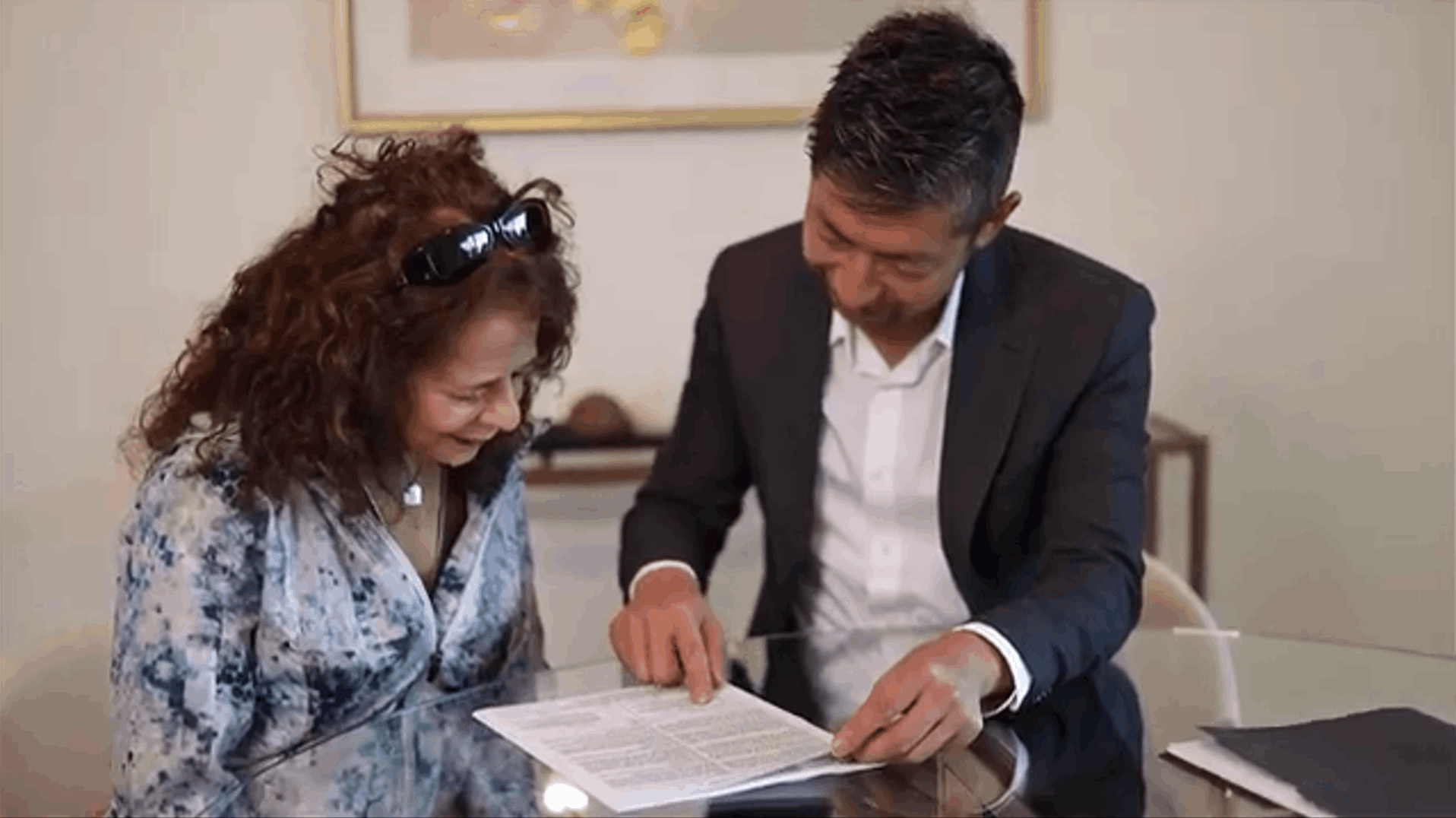
Written by a Richmond Hill and Markham Real Estate Expert
At Kirby Chan & Co. Real Estate Team, we work with estate trustees across Richmond Hill, Markham and York Region. These sales are rarely urgent in the way a relocation is, and they are almost always emotional in a way a normal sale is not. Our job is to handle the process so the family can focus on everything else.
Handling an Estate Property?
Call Our Dedicated Seller Hotline
416-305-8008Kirby Chan & Co. Real Estate Team
Quick takeaway: If the deceased owned the home alone, the estate trustee will usually need a Certificate of Appointment of Estate Trustee, commonly called probate, before title can be transferred to a buyer. Probate timing varies by court and can take anywhere from a few weeks to several months. You can often list and market the property while the application is in process, but the closing date has to account for it. Two things to handle immediately, before anything else: confirm the property is insured on a vacant home policy, and get a professional valuation as at the date of death, because that number sets the tax cost base for the estate.
Table of Contents
- The First Two Weeks
- Do You Need Probate to Sell?
- Estate Administration Tax
- How the Sale Is Taxed
- Carrying Costs While You Wait
- When Beneficiaries Do Not Agree
- Preparing an Inherited Home for Sale
- Realistic Timeline
- Frequently Asked Questions
The First Two Weeks
Before probate, before pricing, before anyone talks about listing, there are a few items that get expensive if they are missed.
Most standard home insurance policies restrict or exclude coverage once a property has been unoccupied beyond a set period, often around thirty days. A house that sits empty through an estate process can drift out of coverage without anyone noticing, and families discover it only when there is a burst pipe in February and a denied claim.
Tell the insurer the situation immediately and arrange a vacant or unoccupied home policy. It costs more than a standard policy. It costs dramatically less than an uninsured water loss on a Richmond Hill detached home.
For tax purposes the estate is generally treated as acquiring the property at its fair market value on the date of death. That value becomes the cost base against which any later gain is measured, and it feeds the estate administration tax calculation. A documented appraisal or a properly supported opinion of value is far stronger than an estimate reconstructed a year later. Get it in writing while the comparable sales are current.
Change the locks, redirect the mail, keep the heat on through winter, arrange snow clearing and lawn care, and keep utilities and property tax current. A visibly unoccupied home in Richmond Hill attracts attention you do not want, and a York Region property tax account in arrears creates a problem at closing. Someone needs to physically check the house regularly. Many vacant policies require it.
Do You Need Probate to Sell?
In Ontario, probate is formally a Certificate of Appointment of Estate Trustee, issued by the Superior Court of Justice. It confirms the authority of the person administering the estate. Whether you need it before selling depends on how title was held.
Estate Administration Tax
Ontario charges an estate administration tax on the value of the estate covered by the certificate. Under the current structure, no tax applies to the first $50,000 of estate value, and the rate above that threshold is $15 per $1,000, which works out to 1.5%.
| Estate Value | Approximate Estate Administration Tax |
|---|---|
| $50,000 | $0 |
| $500,000 | $6,750 |
| $1,000,000 | $14,250 |
| $1,400,000 | $20,250 |
| $2,000,000 | $29,250 |
Two practical notes. First, the tax is calculated on the value of the estate, and for most York Region families the home is the overwhelming majority of that number, so the figures above are a reasonable proxy. Second, an Estate Information Return is generally required to be filed with the Ministry of Finance within a set period after the certificate is issued. Your estate lawyer manages the filing. Confirm current rates and deadlines with them, since these rules change.
Need a Date-of-Death Valuation or a Listing Plan?
Call Our Dedicated Seller Hotline
416-305-8008No pressure, just a straight answer
How the Sale Is Taxed
There is no inheritance tax in Canada. What exists instead is a deemed disposition on death, which is a different thing and catches families off guard.
Carrying Costs While You Wait
An empty house is not free. On a typical Richmond Hill or Markham detached property, the monthly cost of holding an estate home looks roughly like this.
| Cost | Typical Monthly Range |
|---|---|
| Property tax | $500 to $900 |
| Vacant home insurance | $150 to $400, often well above a standard policy |
| Utilities, heat maintained through winter | $150 to $350 |
| Lawn, snow and basic upkeep | $100 to $300 |
| Any remaining mortgage or line of credit | Varies |
| Typical total, excluding mortgage | $900 to $1,950 per month |
Twelve months of indecision costs the estate somewhere between eleven and twenty-three thousand dollars in carrying costs alone, before any tax on appreciation and before the wear that shows on a house nobody lives in. That is money out of the beneficiaries' pockets. It is worth saying plainly to a family that cannot reach agreement.
When Beneficiaries Do Not Agree
The most common reason an estate sale stalls is not probate or paperwork. It is that one sibling wants to sell now, one wants to wait for a better market and one wants to buy the others out but has not arranged financing. Meanwhile the carrying costs run.
Three things help. First, get an independent, documented opinion of value so the conversation is about a number nobody in the family invented. Second, be clear on who actually holds the authority to sell, because the estate trustee's obligation runs to the estate as a whole rather than to whichever beneficiary is loudest. Third, if one beneficiary wants to buy the property, set a real deadline for them to produce financing approval, because an indefinite maybe is the single most expensive outcome for everyone.
I have sat in a lot of these conversations. The families that resolve them well are the ones that treat the house as an asset to be handled properly and keep the emotional conversation separate from the financial one. The families that struggle are the ones where nobody wants to be the person who says it is time.
Preparing an Inherited Home for Sale
Realistic Timeline
| Stage | Typical Duration |
|---|---|
| Secure property, arrange vacant insurance, obtain valuation | 1 to 3 weeks |
| Lawyer prepares and files the probate application | 2 to 6 weeks |
| Court processing of the certificate | Weeks to several months, varies by court |
| Clear contents, prepare and stage the home | 3 to 8 weeks, can run parallel to probate |
| Market the property and negotiate a sale | 2 to 6 weeks |
| Closing | 30 to 90 days after the agreement |
| Distribution to beneficiaries | After clearance certificate, often months after closing |
The preparation work runs in parallel with the probate application, which is the main lever you control. Families who start clearing and preparing while the certificate is pending are often ready to list the week it arrives. Families who wait for the certificate before doing anything add two months to the back end for no reason.
Recognition
Kirby Chan Awards and Achievements
🏆 #1 Individual Producer in Ontario for eXp Realty 2023
🏆 Top 3 Best Rated Real Estate Agent in Richmond Hill
🏆 Toronto Star Platinum Award for Best Real Estate Agent
🏆 Top Real Estate Agent Award in Markham
🏆 2X ICON Agent Award with eXp Realty
🏆 2025 Community Votes Platinum Award, Thornhill
🏆 2024 Community Votes Platinum Award, Thornhill
🏆 2025 Gold Award for Real Estate Brokers in Markham
🏆 2024 Community Votes Bronze Award, Richmond Hill
🏆 2023 Community Votes Platinum Award, Thornhill
Frequently Asked Questions
Can I sell an inherited house before probate in Ontario?
You can list and market the property, but where the deceased was the sole owner the buyer's lawyer will normally require the Certificate of Appointment before closing. Property held in joint tenancy generally passes to the survivor outside probate.
How long does probate take in Ontario?
Preparing and filing the application usually takes two to six weeks, and court processing can range from several weeks to several months depending on the court and the completeness of the application. Use that time to clear and prepare the home.
Do I pay tax when I sell an inherited home in Ontario?
There is no inheritance tax in Canada. The estate is generally treated as acquiring the property at its date-of-death value, and any increase in value between then and the sale is typically a capital gain in the estate. Confirm your situation with an accountant.
How much is estate administration tax in Ontario?
Under the current structure there is no tax on the first $50,000 of estate value, and $15 per $1,000 above that, which is 1.5%. On a $1,400,000 estate that is roughly $20,250. Confirm current rates with your estate lawyer.
Does insurance still cover a house nobody is living in?
Often not. Many standard policies restrict coverage once a home has been unoccupied beyond a set period. Notify the insurer immediately and arrange a vacant home policy, or a claim may be denied.
When do beneficiaries receive the money from the sale?
Not immediately after closing. An estate trustee who distributes before obtaining a CRA clearance certificate can be personally liable for unpaid tax, so final distribution often comes months after the sale completes.
Who can help me sell an inherited home in Richmond Hill or Markham?
Kirby Chan and the Kirby Chan & Co. Real Estate Team work with estate trustees throughout York Region. We provide date-of-death valuations, coordinate clearing, preparation and staging, and manage the sale around your probate timeline. Reach me at (416) 305-8008.
Contact Kirby ChanHandling an Estate Property in York Region?
Estate sales carry a weight that ordinary transactions do not. I work with estate trustees and families to handle the property side properly: a documented valuation for the estate, coordination with your lawyer around the probate timeline, clearing and preparation, and a sale strategy suited to the home and the neighbourhood. There is no rush and no pressure. When the family is ready, we move.
Kirby Chan | Kirby Chan & Co. Real Estate Team
kirby@kirbychanandco.com
https://kirbychanandco.com
Dedicated Seller Hotline
416-305-8008Note: This guide is a plain-language overview of the estate sale process in Ontario as of mid-2026 and is provided for general information only. It is not legal, tax or accounting advice. Probate requirements, estate administration tax rates and thresholds, filing deadlines, capital gains rules and clearance certificate procedures change and depend on the specific facts of the estate. Carrying cost and tax figures are illustrations. Estate trustees should retain a licensed Ontario estate lawyer and a qualified accountant before taking any step described here.